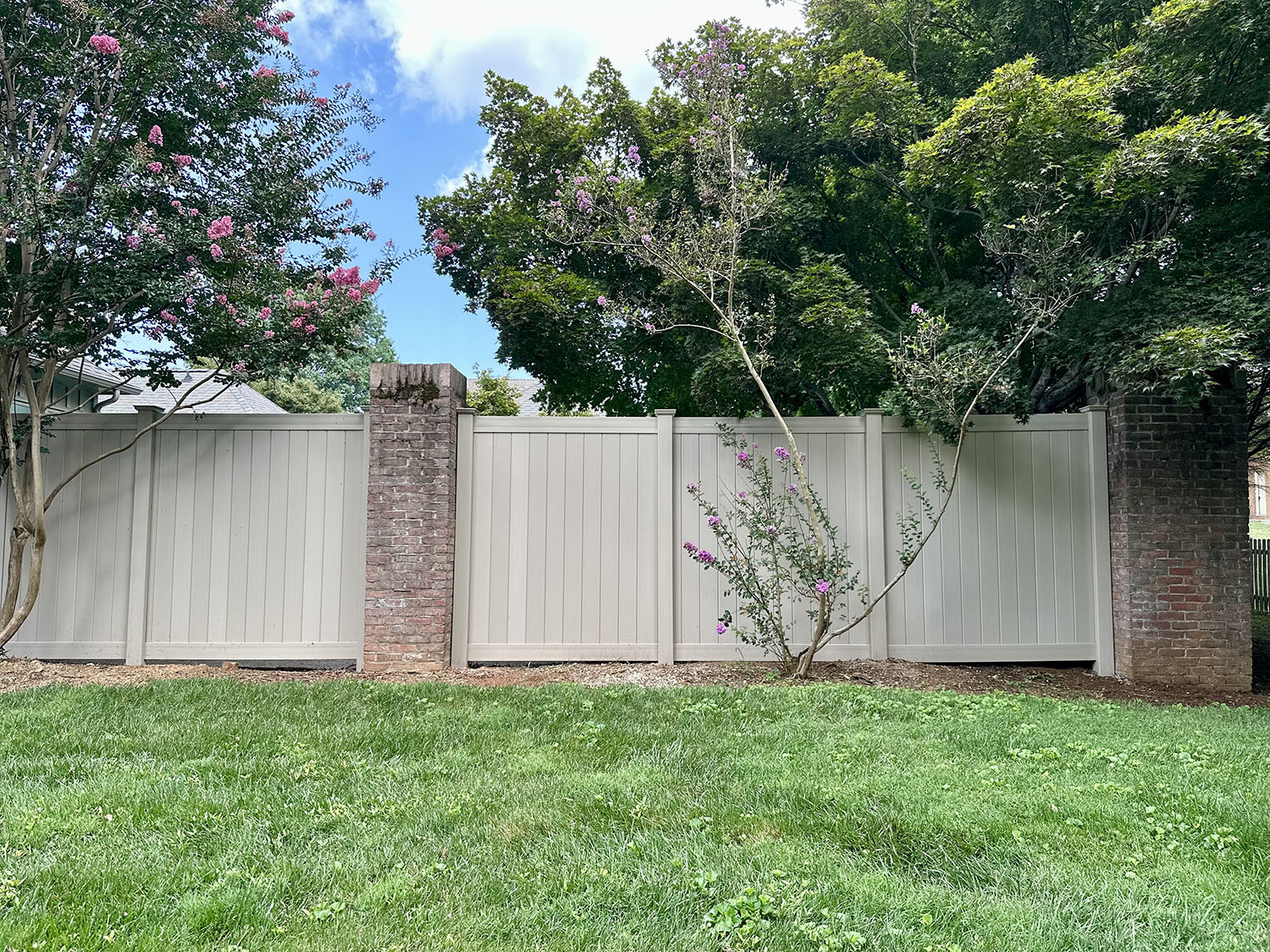
Installing a new fence is one of the most effective ways to improve privacy, security, curb appeal, and property value. Whether you're enclosing a backyard, creating a safe space for children and pets, or defining property lines, a professionally installed fence is a worthwhile investment.
Before construction begins, however, many homeowners ask the same question:
Do I need a permit to build a fence in Knox County?
The answer depends on several factors, including where your property is located, the height of the fence, zoning requirements, and whether you live inside the City of Knoxville or in unincorporated Knox County. If your neighborhood has a homeowners association (HOA), you'll also need to consider private community rules that may be stricter than local government regulations.
This 2026 guide explains the basics of fence permits in Knox County, what projects typically require approval, when permits may not be necessary, and how to avoid costly mistakes before installing your new fence.
Why Fence Permits Matter
Although a fence may seem like a simple home improvement project, local governments regulate fencing to protect public safety, preserve visibility for drivers, maintain neighborhood standards, and ensure fences do not interfere with utilities or neighboring properties.
Obtaining the proper approvals before construction can help you:
- Avoid fines or code enforcement issues
- Prevent expensive modifications after installation
- Reduce disputes with neighbors
- Ensure compliance with local zoning regulations
- Protect your investment and property value
Working with an experienced fencing contractor can make the process much easier by identifying potential issues before installation begins.
Do All Fences Require a Permit?
Not necessarily.
Many residential fence projects can be completed without a building permit, but this does not mean there are no rules.
Even when a permit isn't required, homeowners are generally expected to follow local zoning ordinances regarding:
- Fence height
- Property setbacks
- Easements
- Corner visibility
- Utility access
- Historic district requirements
- Pool safety regulations
Requirements can vary depending on whether your property is located within the City of Knoxville or in unincorporated Knox County.
Because regulations can change over time, homeowners should always verify current requirements before beginning construction.
Projects That May Require a Fence Permit
While every property is unique, permits or additional approvals are commonly required for projects involving:
Tall Privacy Fences
Fences exceeding local height limitations may require review or approval before installation.
This commonly applies to tall privacy fences installed along front property lines or near intersections where visibility is important.
Commercial Fencing
Commercial fencing projects often involve additional considerations such as:
- Security requirements
- Fire access
- Property setbacks
- Parking lots
- Public access
Commercial projects generally receive more regulatory oversight than residential installations.
Pool Fencing
Swimming pools typically have safety requirements that extend beyond standard fencing rules.
Depending on the project, homeowners may need to comply with regulations covering:
- Minimum fence height
- Self-closing gates
- Self-latching hardware
- Restricted access points
These requirements help improve safety and may be enforced separately from general fencing regulations.
Retaining Wall Combinations
When fencing is installed on top of retaining walls, additional engineering or permitting requirements may apply because of the combined structure's overall height.
Historic District Properties
Homes located within designated historic districts may require design review before exterior improvements—including fencing—can be approved.
Projects That Often Do Not Require a Permit
Many standard residential fence installations can often proceed without a building permit, provided they remain within local zoning limits.
Examples commonly include:
- Backyard privacy fences
- Decorative landscape fencing
- Garden enclosures
- Pet fencing
- Replacement fencing in the same location
- Standard side-yard fencing
Even if no permit is required, homeowners should still confirm:
- Property lines
- Utility locations
- Easements
- HOA restrictions
- Local zoning regulations
Skipping these steps can create problems long after installation is complete.
City of Knoxville vs. Unincorporated Knox County
One of the biggest sources of confusion is determining which regulations apply to your property.
If your home is located inside the City of Knoxville, you'll generally follow city zoning regulations.
If your property is outside city limits but within Knox County, county regulations typically apply instead.
Although many requirements are similar, there can be important differences regarding:
- Maximum fence heights
- Front yard restrictions
- Corner lot visibility
- Setback requirements
- Administrative review
Knowing which jurisdiction governs your property is one of the first steps before planning a new fence.
Homeowners Associations Can Have Their Own Rules
Many homeowners assume that if the city or county approves their fence, they're free to build.
Unfortunately, that's not always the case.
Homeowners associations often have architectural guidelines that are completely separate from government regulations.
An HOA may regulate:
- Fence materials
- Approved colors
- Fence styles
- Height limits
- Decorative features
- Placement
- Gate designs
For example, while local regulations may allow a six-foot privacy fence, an HOA might only approve a four-foot decorative fence in front yards or require a specific stain color throughout the community.
Failing to obtain HOA approval can result in violation notices, fines, or even a requirement to remove a newly installed fence.
Always review your community's governing documents before beginning your project.
Choosing the Right Fence Material
Once you've confirmed your permitting requirements, the next step is selecting the right fencing material for your property and long-term goals.
Wood Fencing
Wood fencing remains one of the most popular choices for homeowners seeking natural beauty, privacy, and customization. Available in styles ranging from classic picket fences to full privacy installations, wood offers exceptional versatility and curb appeal.
Learn more about professional wood fencing options here:
https://www.cantrellfence.com/wood
Vinyl Fencing
Vinyl fencing is an excellent option for homeowners looking for low-maintenance performance. It won't rot, warp, or require regular staining, making it a durable choice for busy households.
Explore the benefits of vinyl fencing:
https://www.cantrellfence.com/vinyl
Aluminum Fencing
If you're looking for a fence that combines strength, elegance, and minimal upkeep, aluminum fencing is an excellent choice. Aluminum fences provide the classic appearance of wrought iron without the risk of rust or the ongoing maintenance. They're especially popular around pools, gardens, and front yards where homeowners want security without obstructing the view.
Learn more about aluminum fence installation:
https://www.cantrellfence.com/aluminum
Chain Link Fencing
Chain link fencing has seen a resurgence in popularity thanks to modern vinyl-coated finishes and its outstanding value. It's an affordable, durable option for securing residential backyards, commercial properties, playgrounds, and pet areas while maintaining visibility.
Explore your chain link fencing options:
https://www.cantrellfence.com/chainlink
Where Do You Apply for a Fence Permit?
If your project requires a permit or zoning approval, you'll generally begin by contacting the appropriate building or zoning department based on your property's location.
For homeowners within the City of Knoxville, permit and zoning questions are typically handled through the city's permitting and zoning offices.
For homes in unincorporated Knox County, applications are generally submitted through Knox County departments responsible for codes administration, zoning, and development review.
Depending on your project, you may be asked to provide:
- A completed permit application
- A site or survey drawing showing the proposed fence location
- Property dimensions
- Fence height and material specifications
- Contractor information (if applicable)
Larger or more complex projects may require additional documentation before approval.
Typical Permit Fees and Processing Times
Permit costs vary depending on the type and scope of the project.
Simple residential fencing projects often involve relatively modest fees when permits are required, while larger commercial projects or those involving additional site review may incur higher costs.
Processing times can also vary based on:
- Project complexity
- Current department workload
- Completeness of the submitted application
- Whether zoning or design review is required
Planning ahead can help prevent delays, especially during the busy spring and summer building seasons.
Don't Forget Utility Locates
One of the most important steps before digging post holes is having underground utilities located.
Fence installation often requires digging several feet into the ground, where buried utility lines may be present.
Before any excavation begins, request utility marking through your state's utility notification service. This helps identify the approximate location of underground utilities such as:
- Electric
- Natural gas
- Water
- Sewer
- Communications
- Cable and fiber optic lines
Skipping this step can result in service interruptions, costly repairs, or serious safety hazards.
Common Fence Permit Mistakes to Avoid
Many permit-related issues can be prevented with proper planning.
Here are some of the most common mistakes homeowners make:
Building Without Confirming Property Lines
Installing a fence even a few inches onto a neighboring property can create expensive disputes.
If property boundaries are uncertain, consider obtaining a professional survey before construction begins.
Ignoring Easements
Utility and drainage easements often restrict where fences may be installed.
Building within an easement can lead to future removal if utility companies need access.
Forgetting HOA Approval
As discussed earlier, HOA approval is separate from city or county approval.
Receiving a building permit does not automatically satisfy neighborhood architectural requirements.
Choosing the Wrong Fence Height
Different areas of a property may have different allowable fence heights.
For example, front-yard fencing often has more restrictive height limits than backyard fencing.
Hiring an Inexperienced Contractor
An experienced fencing contractor understands local installation practices and can often identify potential permitting or zoning concerns before work begins.
Should You Hire a Professional Fence Contractor?
While some homeowners choose to install fences themselves, working with an experienced contractor offers several advantages.
A professional installer can help:
- Recommend the right fencing material
- Ensure proper installation techniques
- Verify local requirements
- Coordinate measurements and layout
- Build a fence designed to withstand East Tennessee's weather conditions
Professional installation also helps ensure your investment looks great and performs well for years to come.
Final Thoughts
Installing a fence is an excellent way to improve your property's privacy, security, and appearance, but understanding local regulations before construction begins can save significant time and money.
Whether your project requires a permit or simply compliance with local zoning rules, taking the time to research the requirements helps avoid unnecessary delays and future complications.
If you also live in a neighborhood governed by a homeowners association, remember that HOA rules may be more restrictive than city or county regulations. Obtaining all necessary approvals before construction is the best way to ensure a smooth project.
Finally, choosing the right fencing material is just as important as understanding the permitting process. Whether you're considering the timeless beauty of wood, the low-maintenance durability of vinyl, the elegance of aluminum, or the affordability of chain link, selecting the right solution will help maximize your investment.
At Cantrell Fence & Stain, we proudly serve homeowners throughout Knoxville and the surrounding East Tennessee area with professional fence installation tailored to your property's needs. Our team can help you choose the right fence, discuss project considerations, and provide a free estimate for your next fencing project.
Disclaimer: This article is intended for general informational purposes only and should not be considered legal, zoning, or permitting advice. Fence regulations, permit requirements, fees, and local ordinances may change over time and can vary based on your property's location and circumstances. Always verify current requirements with the appropriate City of Knoxville, Knox County, or homeowners association before beginning any fence installation project.