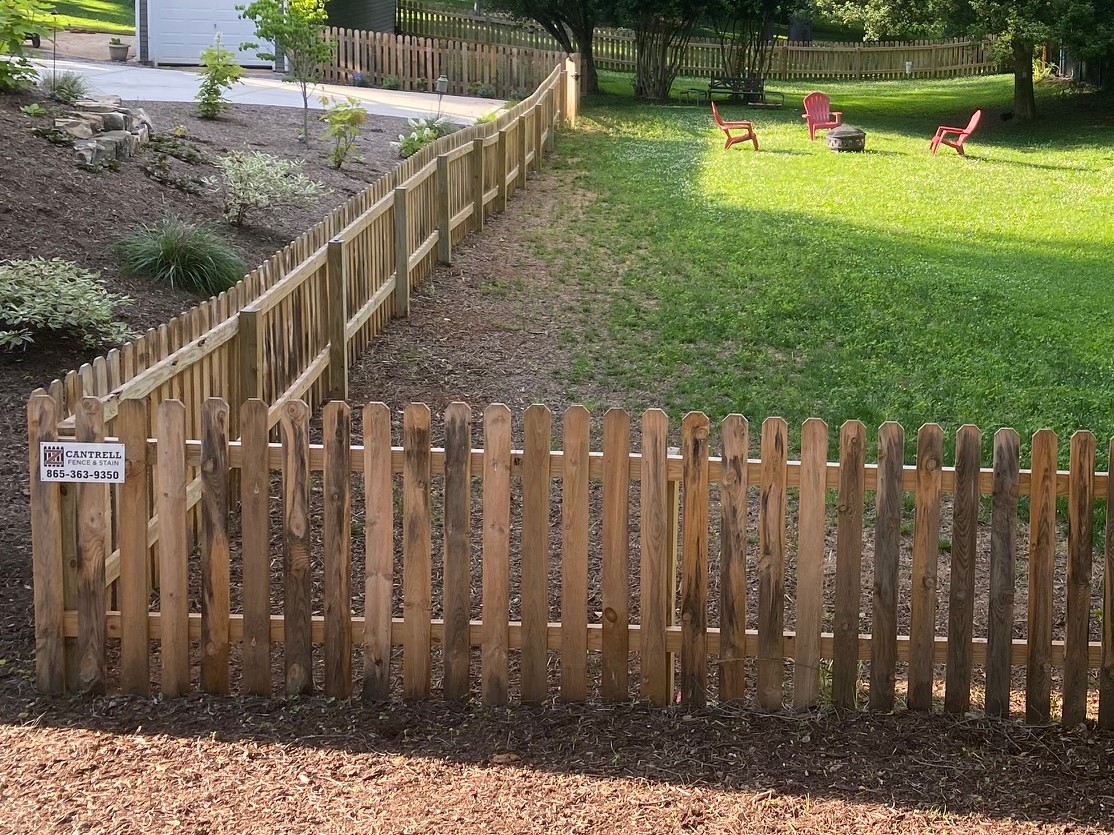
A good fence keeps your critters safe and your mind at ease. I have been around farms, backyards, and barking dogs long enough to know that not every fence works the same for every pet. Some dogs dig, some jump, and some just plain wander. Cats can be even trickier. If you want a yard where your pets can roam without causing trouble, you need a fence that is built with them in mind. Let me walk you through a few dependable options and lessons learned the hard way.
What Is the Best Fence Design to Keep Pets Safe at Home?
A pet friendly fence needs to do two simple things. It keeps your pets inside and keeps trouble outside.
Key Features That Work Best
- Height matters
- Most dog fences should be at least 5 to 6 feet tall.
- Bigger breeds may need even more.
- Small gaps
- Pickets or panels should be close enough that a head cannot slip through.
- Strong materials
- Wood, vinyl, or metal panels tend to last longer than weak wire.
Reliable Fence Styles for Pet Owners
- Wood privacy fences
Great for blocking views so dogs do not bark at every passing squirrel. - Vinyl panel fences
Durable, smooth, and hard for pets to chew or climb. - Chain link with pet barriers
Affordable and strong, especially when combined with dig guards.
A solid fence gives pets freedom while giving owners peace of mind.
How Long Does It Take to Install a Pet Friendly Fence?
Most homeowners want to know how fast they can get the job done. Truth is, it depends on the size of the yard and the material you pick.
Typical Fence Installation Timeline
- Small yard projects
Usually completed in 1 to 2 days. - Medium residential properties
Often take 2 to 4 days. - Large properties or custom builds
May take up to a week.
Tips to Speed Things Up
- Clear the fence line before installation.
- Mark underground utilities ahead of time.
- Choose prebuilt fence panels when possible.
A prepared yard can save a whole day of work.
Which Fence Works Best for Different Types of Pets?
Not all pets behave the same way. A fence that holds a lazy Labrador may fail against a determined husky.
Best Fences for Dogs That Dig
- Install dig guards or buried wire mesh
- Extend fencing 6 to 12 inches underground
- Use concrete footing along the base
Best Fences for Dogs That Jump
- Choose fences at least 6 feet tall
- Avoid horizontal rails that create climbing steps
- Consider curved toppers or rollers
Best Fences for Cats
- Use cat proof fence extensions
- Install angled toppers
- Keep nearby trees trimmed
Matching the fence to your pet's behavior makes all the difference.
Common Mistakes People Make When Building Pet Fences
Now listen close because I have seen folks make these mistakes more times than I can count.
Mistakes That Cause Pet Escapes
- Building fences too short
- Leaving gaps under gates
- Ignoring pets that dig near corners
- Choosing weak materials that bend
Quick Fixes
- Install gate sweeps
- Add landscape rocks along the base
- Reinforce weak spots with steel posts
A little planning upfront can save a lot of chasing dogs down the road.
What Fence Material Is Best for Pet Owners?
Every material has its strengths depending on your yard and your pets.
Wood Fencing
Pros
- Great privacy
- Strong and sturdy
- Natural look
Cons
- Needs maintenance
- Can rot over time
Vinyl Fencing
Pros
- Low maintenance
- Hard to chew
- Smooth and safe
Cons
- Higher upfront cost
Chain Link Fencing
Pros
- Affordable
- Durable
- Quick installation
Cons
- Some dogs try to climb it
- Less privacy
For many homeowners, the best choice comes down to budget, maintenance, and how clever their pets are.
FAQs About Fences for Homes With Pets
What height fence is best for dogs?
Most dogs need a fence at least 5 to 6 feet tall to prevent jumping.
Can dogs dig under fences?
Yes they can. Dig guards, buried mesh, or concrete footing can stop escape attempts.
Is chain link safe for pets?
Yes, but adding privacy slats or dig barriers improves safety.
What is the safest fence for small dogs?
Solid wood or vinyl fences with tight spacing work best.
Can cats be contained with fencing?
Yes, using angled toppers or cat proof fence extensions helps prevent climbing escapes.
Do privacy fences help reduce barking?
They can. Blocking outside distractions often keeps dogs calmer.
A Good Fence Means a Safe Yard and Happy Pets
A well built fence does more than mark a property line. It protects the animals that depend on you.
Here are three lessons worth remembering:
- Choose height and strength based on your pet's behavior
- Block digging and climbing opportunities
- Invest in quality materials that last
If you want a yard where your pets can stretch their legs without worry, start with a fence built the right way. A sturdy fence today saves a whole lot of trouble tomorrow. And trust an old country fellow on this one. Your pets will thank you for it.